Beekeeping in 2026 is still a race between colony growth and opportunistic pests. Every hive inspection is a chance to catch trouble before it spreads. The USDA Agricultural Research Service funds ongoing research into honey bee health, and one finding is clear. Varroa mites remain the most consistent threat to managed colonies. Other problems, like foulbrood, nosema, small hive beetles, and wax moths, often follow after mite stress weakens a hive.
National colony loss numbers put the pressure into perspective. The United States maintains roughly 2.7 million honey producing colonies, and recent USDA reports put annual honey production near 125 million pounds. Yet annual overwintering losses have stayed in the 40 percent range in many surveys. Some operations lose more, some lose less, but every beekeeper benefits from a disease and pest action plan. Small apiaries can crash fast when one infected hive goes unnoticed.
This guide walks through the identification and treatment paths that work in 2026. It is not a replacement for a state inspector or a diagnostic lab. Think of it as your first field reference. You will learn to spot sick brood, test for mites, treat varroa safely, and build prevention habits that keep your apiary stronger next season. Pair it with a solid varroa mite treatment guide and a regular hive inspection routine.
| Disease | Key Sign | Best Response | Reportable? |
|---|---|---|---|
| American foulbrood | Ropey, foul smelling larvae; sunken dark cappings | Burn or irradiate equipment; check state rules | Yes |
| European foulbrood | Twisted or melted open larvae; spotty pattern | Requeen, improve forage, sometimes antibiotics | No |
| Nosema | Dysentery, low population, poor spring buildup | Requeen, replace old comb, feed clean syrup | No |
| Chalkbrood | Hard white or black mummies | Increase ventilation, requeen with hygienic stock | No |
| Sacbrood | Larvae like water filled sacs | Requeen; most recover with good flow | No |
| Chronic bee paralysis | Shiny black hairless trembling bees | Requeen, reduce stress, no direct chemical treatment | No |
How Do I Recognize a Sick or Struggling Colony?
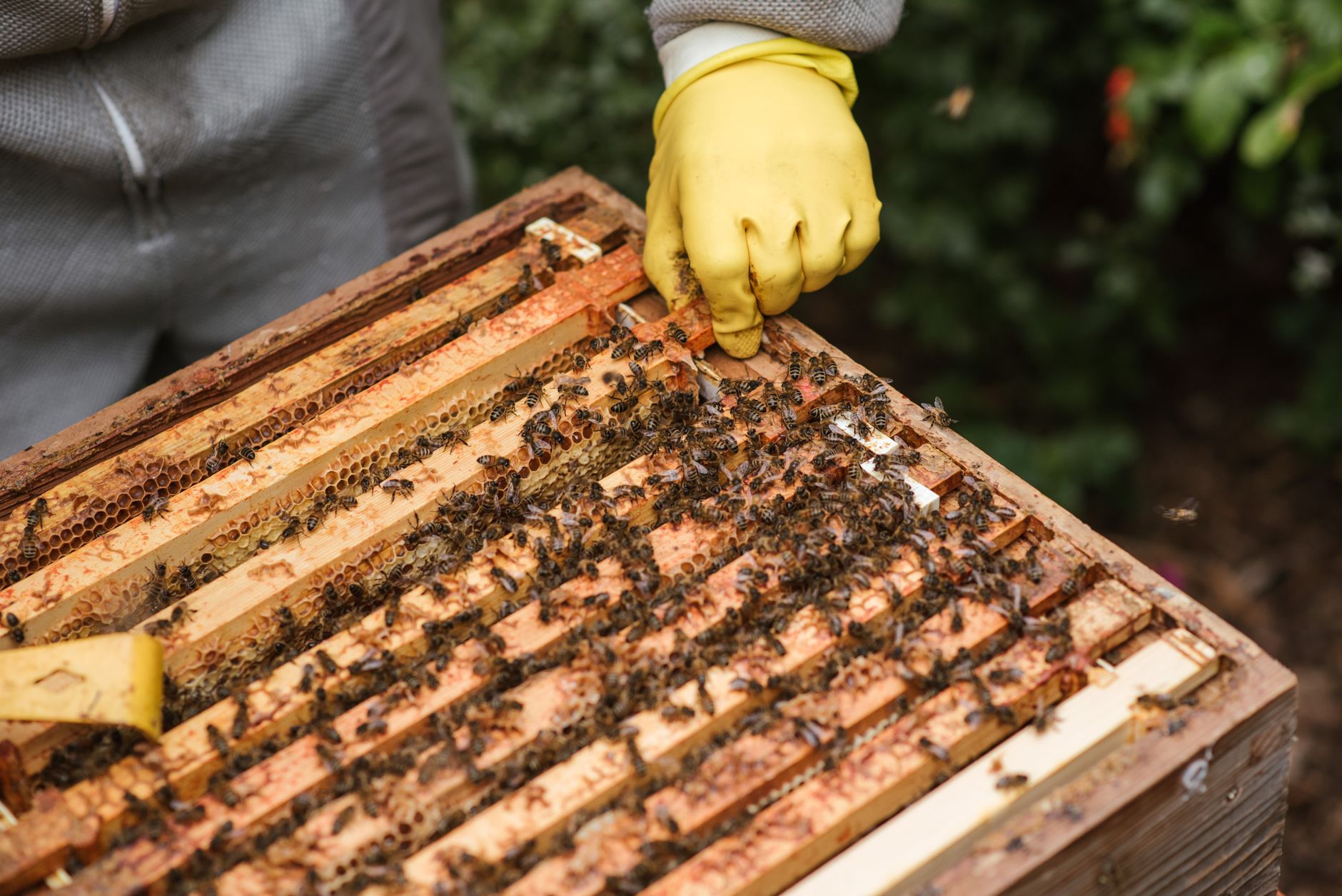
Open the hive and look at the brood nest first. A healthy colony shows solid brood patterns with few skipped cells. A struggling colony often reveals spotty brood, dark or sunken cappings, dead larvae inside cells, or an unusual smell. Crawling bees near the entrance, excessive dead bees on the landing board, and deformed wings also point to trouble. Keep a hive tool in hand and a notebook nearby during every visit. A simple hive inspection routine helps you separate normal seasonal changes from real disease pressure.
Start at the entrance and move inward. If bees are slow to fly, robbing is taking place, or the population looks thin for the time of year, dig deeper. Tilt back the inner cover and check for condensation, mold, or signs of pests. Then remove frames one by one. Note the age of larvae, the color of cappings, and any foul odor. Trust your nose. American foulbrood can smell like a dead animal or old glue. Healthy brood combs rarely have a strong smell.
Take a photo of anything unusual with your phone. Share it with a mentor or your state apiary inspector. Early detection is the only way to avoid burning equipment or losing an entire apiary. Good record keeping turns vague worry into a clear timeline. You do not need to identify every disease in the field. You need to know when a colony looks wrong and how to get help.
- Spotty brood pattern with many empty cells
- Sunken, dark, or greasy cappings
- Dead larvae that are yellow, brown, or ropey
- Unusual odor from the brood nest
- Crawling bees with deformed wings
What Are the Most Serious Bee Diseases in 2026?
American foulbrood, or AFB, sits at the top of every beekeeper’s worry list. It is caused by the spore forming bacterium Paenibacillus larvae. The spores survive for decades in old equipment, honey, and wax. Infected larvae turn into a brown, ropey mass that may stretch like chewing gum when probed with a toothpick. Cappings over infected cells often look sunken and perforated. AFB is reportable in most states. The standard recommendation for heavily infected colonies is to burn equipment or have it irradiated. Antibiotics can suppress symptoms, but they do not kill the spores.
European foulbrood, or EFB, is different. It tends to kill larvae before they are capped, leaving twisted or melted looking larvae in open cells. EFB often appears during stress periods, especially in spring and during poor forage flows. Nosema is a microsporidian disease caused by Nosema apis and Nosema ceranae. Infected bees may show dysentery, reduced lifespan, and poor buildup. Chalkbrood appears as hard, white or black mummified larvae on the bottom board or in cells. It often worsens in cold or damp conditions. Sacbrood is a virus that leaves larvae stretched out like little water-filled sacs. Chronic bee paralysis virus shows up as shiny, black, hairless bees trembling on the comb.
Most disease issues enter the apiary through used equipment, drifting bees, or imported queens and packages. Check the source when you buy bees. A reputable supplier with a health certificate is worth the extra cost. You can review buying bees, packages, nucs, and splits to reduce the risk of bringing in trouble.
Which Pests Cause the Most Colony Losses?
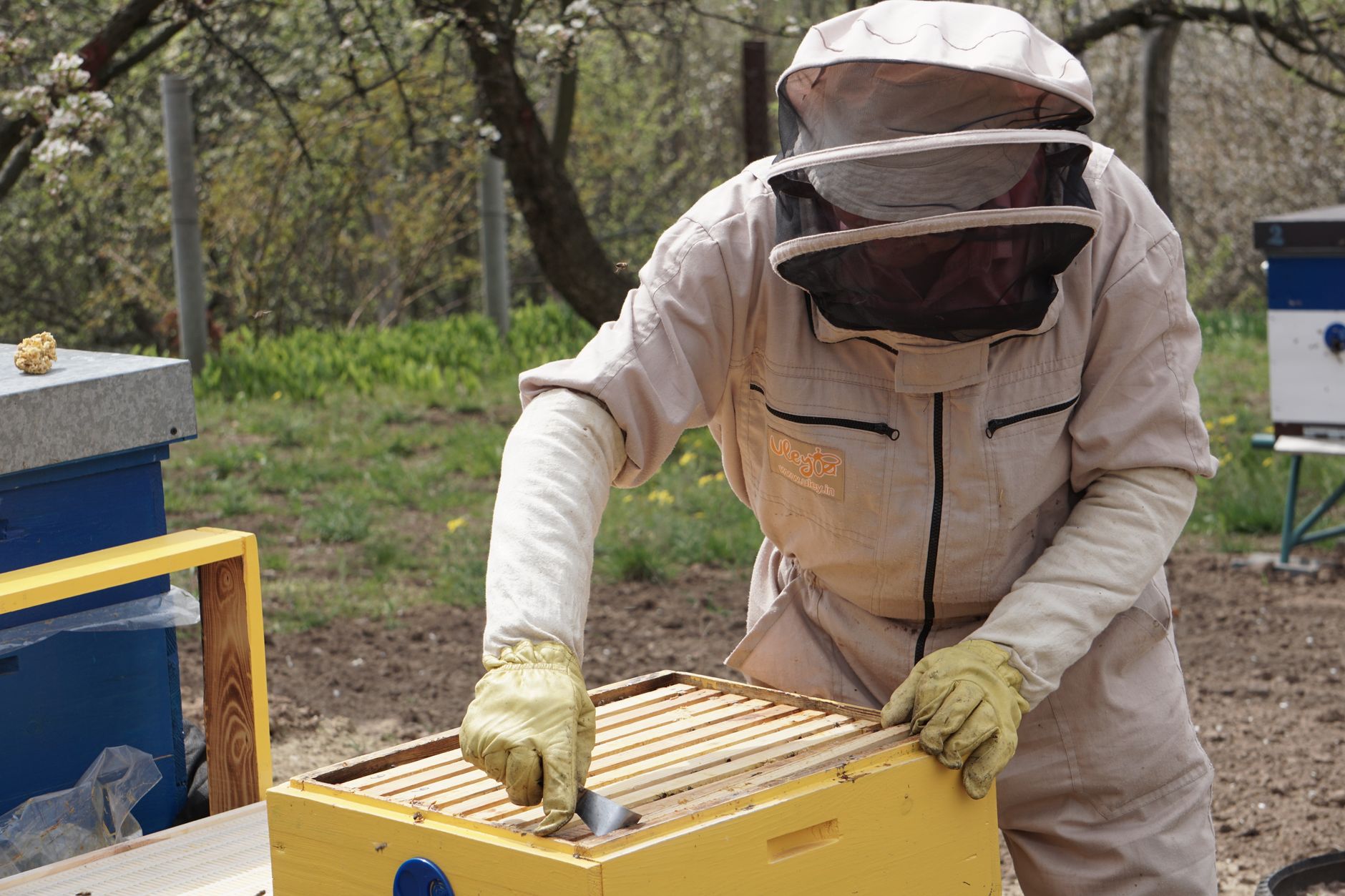
Varroa destructor tops the pest list for a reason. The mite feeds on the fat body tissue of adult bees and developing brood. It also vectors viruses, including deformed wing virus. High mite loads often show up as bees with stubby, mismatched wings and a colony that simply fails to build up. In many national surveys, varroa is the most common factor associated with colony mortality. A colony with uncontrolled mites typically dies within one to three years.
Small hive beetles, or SHB, are another serious pest in warm and humid regions. Adult beetles lay eggs in pollen and brood combs. The larvae tunnel through comb, ferment honey, and leave a slimy mess. Strong colonies can corral beetles into corners, but weak hives cannot. Wax moths are opportunistic. They rarely destroy a strong colony but will quickly wreck stored supers and weak or queenless hives. Read this wax moth prevention and treatment guide before you store equipment. Other pests include tracheal mites, ants, wasps, mice, and skunks. Most are secondary problems that worsen after varroa or poor nutrition.
Monitoring matters more than guessing. Test for varroa monthly during the active season. Check bottom boards for small hive beetle adults and larvae. Inspect stored combs for webbing and frass. If you see one pest, inspect for others. A weak colony rarely struggles with just one problem.
- Varroa mites and deformed wing virus
- Small hive beetle larvae sliming combs
- Wax moth webbing in stored supers
- Ants, wasps, mice, and skunks as seasonal stressors
How Do I Treat Varroa Mites Safely in 2026?
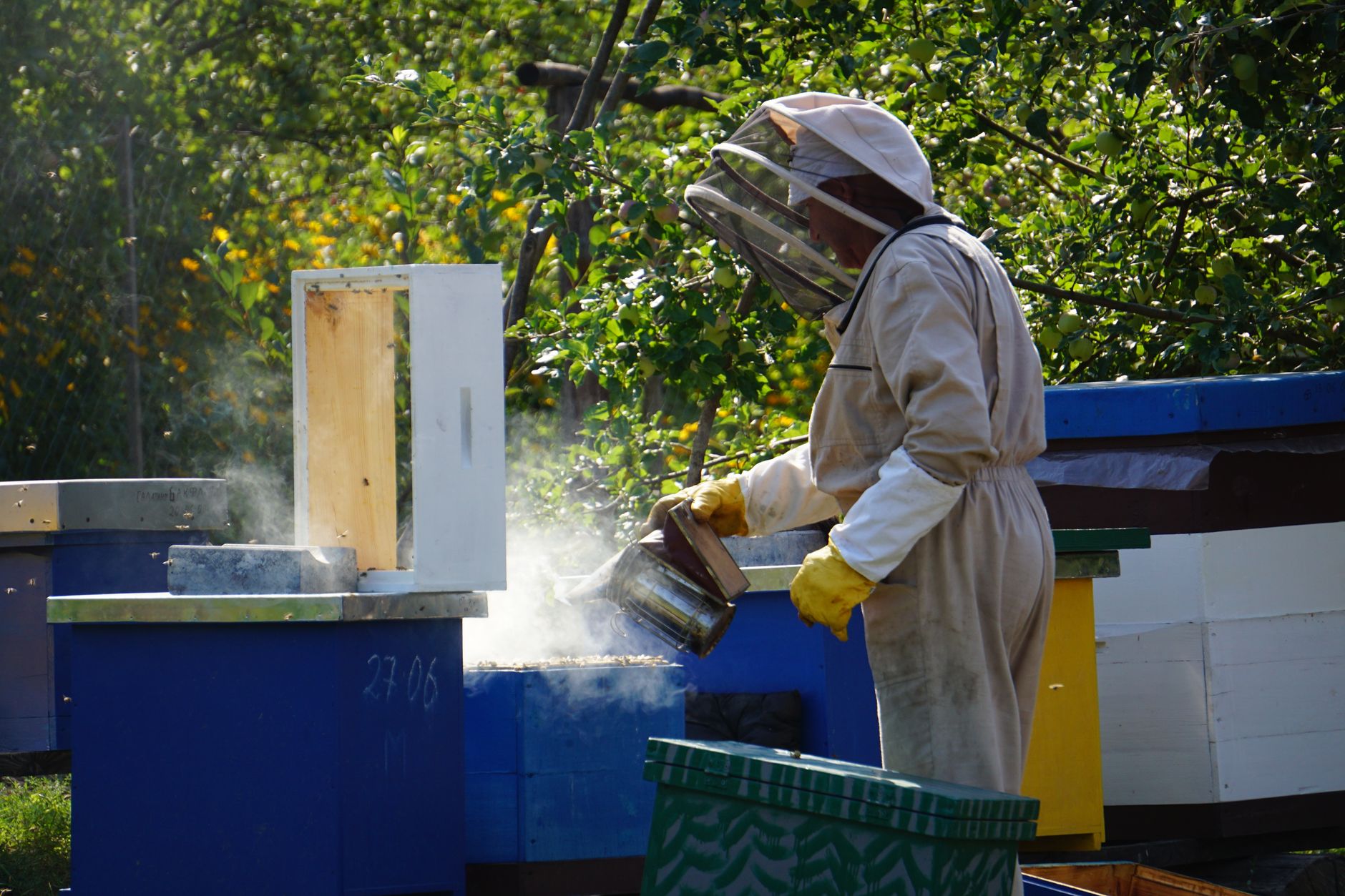
Start with a monthly alcohol wash or sugar shake. Collect about 300 adult bees from a brood frame and count the mites. Most extension services recommend treating when you find three or more mites per 100 bees, or roughly 9 mites in a 300 bee sample. Do not guess. Treat according to your actual count.
Synthetic and organic treatments both have a place. Apivar strips use amitraz and are easy for beginners. Check the Apivar mite treatment on Amazon. Oxalic acid vaporization is a popular late fall or broodless window choice. Check the oxalic acid vaporizer on Amazon. Formic acid and thymol based products also work, but follow the label. Do not treat during honey flow unless the label allows it. Remove honey supers before applying any treatment that is not honey safe.
Rotate products with different modes of action to slow resistance. Never use a sublethal dose or leave strips in longer than the label says. Recheck mites about one week after treatment. If counts are still high, do not immediately repeat the same product. Consider a different chemical class or time window. The Honey Bee Health Coalition offers a varroa management decision tool and regional treatment guidance. Good records of what you applied, when, and how many mites remained will make next year easier.
How Can I Prevent Bee Diseases and Pests Without Constant Chemicals?
Prevention begins with hive hygiene. Scrape propolis and wax from frames and boxes during inspections. Replace old dark brood comb every three to four years. Rotate out any comb that has been exposed to foulbrood or heavy nosema. Keep hive tools clean between apiaries. A quick torch or a wash in washing soda solution can reduce pathogen spread. The American Beekeeping Federation recommends building disease prevention into your yearly calendar.
Strong colonies resist most secondary pests. Requeen with hygienic stock that detects and removes sick brood. Split vigorous colonies in spring to reduce swarming and keep young queens laying. This article on splitting a beehive walks through the basics. Good nutrition also matters. Plant a pollinator garden or place hives near diverse forage. Pollen and nectar diversity help bees produce healthy brood and tolerate mite pressure better.
Winter preparation is a disease prevention tool. Bees that go into winter with low mites, young queens, and enough stored honey stand a better chance. Use the winterizing beehives guide to reduce moisture and drafts. Keep entrance reducers on during mouse season. Elevate hives to deter skunks. Remove dead colonies quickly and freeze or store equipment properly. A clean apiary is not an accident. It is a system of small habits.
When Should I Call a State Apiary Inspector or Diagnostic Lab?
Call your state apiary inspector when you see suspicious brood disease, especially anything that looks like American foulbrood. Most states require reporting AFB, and an inspector can confirm the disease with a field test. They can also help you write a burn plan or locate irradiation services. Do not move infected equipment across county lines before you talk to an inspector. You may accidentally spread spores to healthy hives.
Use a diagnostic lab when the problem is not obvious. Bee research labs and university extension services can test for nosema spores, varroa resistance, and some viruses. Many land grant universities offer low cost bee disease screening. Include adult bees, brood comb, and a note describing the symptoms. Send samples quickly in the mail. Dead bees that sit around for days degrade and produce unreliable results.
Sometimes the best answer is to call a mentor or an experienced beekeeper first. They may recognize chalkbrood, laying workers, or simple starvation in minutes. But if the colony is declining fast, has foul odor, or shows ropey larvae, skip the guesswork. Contact an inspector. The cost is usually free or very low. The value is often the difference between saving your apiary and burning it.
Frequently Asked Questions
What is the number one killer of honey bee colonies?
The varroa mite is the leading killer. It feeds on bee fat bodies and spreads viruses that weaken and eventually collapse colonies.
Can American foulbrood be cured with antibiotics?
No. Antibiotics can suppress symptoms but do not kill the spores. Infected equipment and colonies often must be burned or irradiated.
How often should I test for varroa mites?
Test monthly during the active season. Use an alcohol wash or sugar shake on about 300 adult bees.
Are wax moths a sign of a weak hive?
Yes. Wax moths mostly attack weak, queenless, or stored comb. Strong colonies usually keep them under control.
What does a small hive beetle look like?
An adult small hive beetle is a small dark brown or black oval beetle, about 5 to 7 millimeters long. Larvae look like dirty white grubs.
Does nosema cause dysentery in bees?
Yes. Nosema infections can cause dysentery, reduced bee lifespan, and poor spring colony buildup.
What Should You Remember?
- Varroa mites cause the most colony losses. Test monthly and treat by threshold.
- American foulbrood is reportable and spore forming. Burn or irradiate contaminated equipment.
- Small hive beetles and wax moths attack weak hives and stored comb. Keep colonies strong.
- Integrated pest management reduces chemical use and slows resistance.
- Records and photos from hive inspections help you spot problems before they spread.
- Hygienic stock and clean equipment are the best long term disease defenses.
This article is for general information only and is not veterinary or legal advice. Beekeeping is regulated in most regions and involves live animals with their own health needs , always follow local regulations and best practices, and consult a qualified apiarist, extension service, or veterinarian for bee-health or disease concerns.