A pollinator garden is one of the most useful projects a beekeeper can start. It puts nectar and pollen close to your hives and gives native bees a place to feed. Honey bees, bumble bees, sweat bees, and leafcutter bees all use the same flower patches. You do not need a large farm. A few sunny beds, containers, or a strip along a fence can support hundreds of bee visits each day. The key is choosing the right plants and keeping the bloom sequence going from early spring through late fall.
The payoff shows up in the hive and in the landscape. The USDA counted about 2.67 million honey-producing colonies in the United States in 2022, with an average yield near 47 pounds per colony. Those numbers shift year to year, but one factor remains steady. Better forage means stronger colonies and better winter survival. For native bees, a flower-rich yard becomes a nesting area, not just a stopover. The USDA Agricultural Research Service has long emphasized the value of diverse plantings for bee nutrition and pest resistance.
This guide walks through the practical steps. You will map the site, pick plants that bloom in waves, add water and nesting spots, and manage the garden without chemicals. If you already keep bees, this pairs well with our general pollinator garden planning guide. New beekeepers should also review how to start beekeeping with no experience before the bees arrive. Even a small garden can reduce the distance your bees fly for food, which saves energy for brood rearing.
Many beekeepers focus on hives, honey harvests, and mite control. Those matter, but forage is just as important. A hive near poor forage will struggle, no matter how good the equipment is. The following steps show you how to build a reliable flower source. You will also learn how to avoid common mistakes that turn a pollinator garden into a hazard for bees. By the end, you will have a clear plan for a garden that feeds both honeybee colonies and wild native bee species.
What You’ll Need
- garden gloves
- hand trowel
- shovel
- watering can
- mulch
- seed-starting trays
How Do You Plant a Pollinator Garden for Honeybees and Native Bees?
- Map your site and watch the sun
Choose a location that gets at least six hours of full sun most days. Bees visit flowers more often when the plants are warm and nectar flow is steady. A south-facing or southeast-facing spot works well in most parts of the country. Watch the area at 9 a.m., noon, and 4 p.m. to see where sun and shade fall.
Look for a natural windbreak. A fence, hedge, shed, or row of shrubs can block strong gusts. Bees burn extra energy fighting wind, and flowers dry out faster in exposed areas. Avoid low pockets where cold air settles in spring. Frost can kill early blooms just when bees need them.
If you already keep hives, place the garden within 300 feet of the bee yard when possible. Honeybees can fly much farther for food, but shorter trips save time and energy. That energy then goes into brood rearing and honey production. Review this guide if you are still setting up your first hive: how to start beekeeping with no experience.
Check drainage and nearby chemical use. Water should drain away within a day after heavy rain. Avoid spots that neighbor heavily treated lawns or farm fields. Pesticide drift can travel onto your flowers and poison bees. A little distance, plus a hedgerow, gives you a safer buffer.
- Choose plants that bloom in sequence
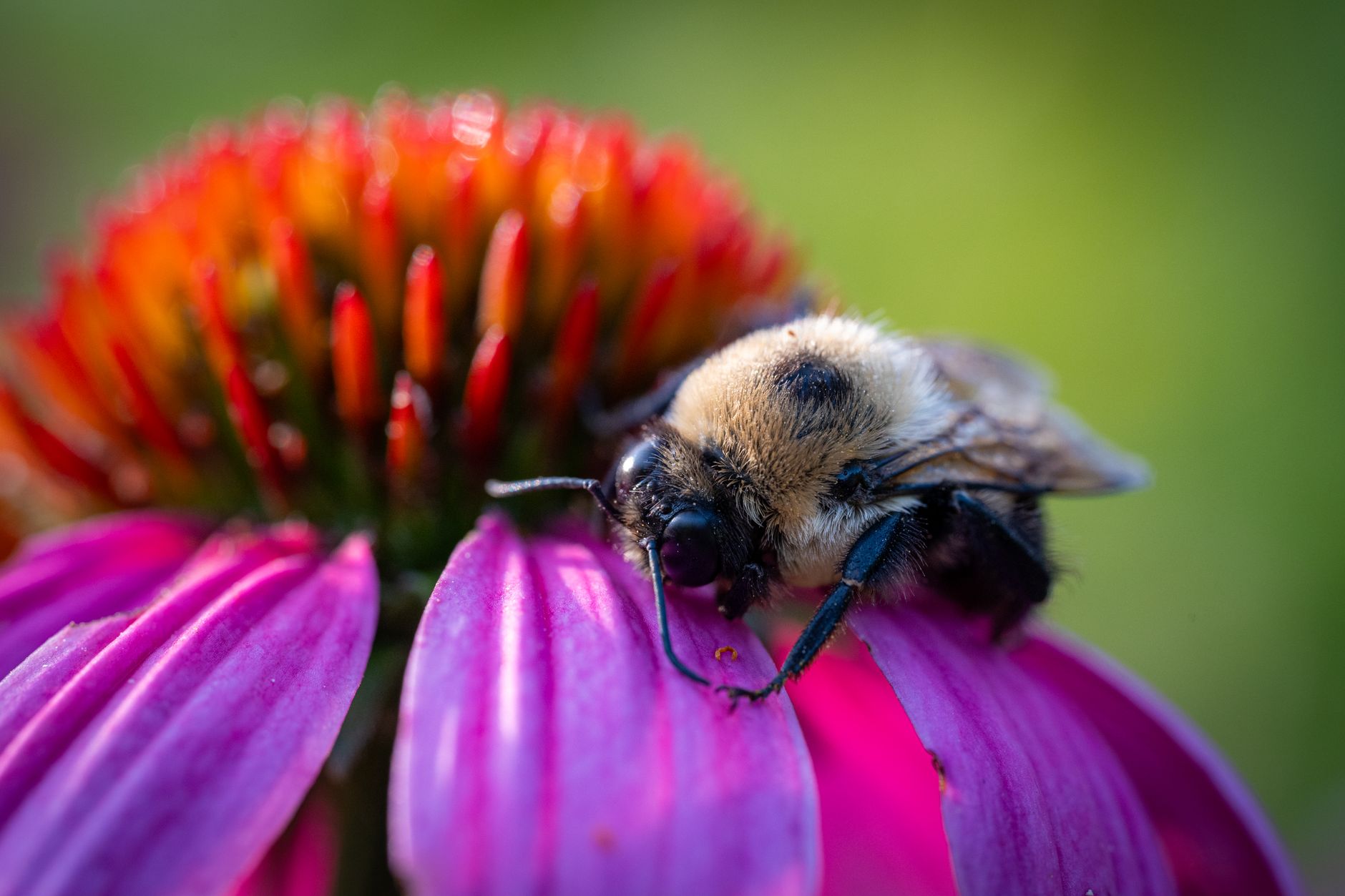
Pick native plants first. They match the life cycles of local native bees and usually handle your climate with less water. Non-native herbs like lavender and borage still help honeybees. The key is to plant a mix, not a single species. Research from the USDA Agricultural Research Service shows that diverse flower plantings support a wider mix of pollinator species.
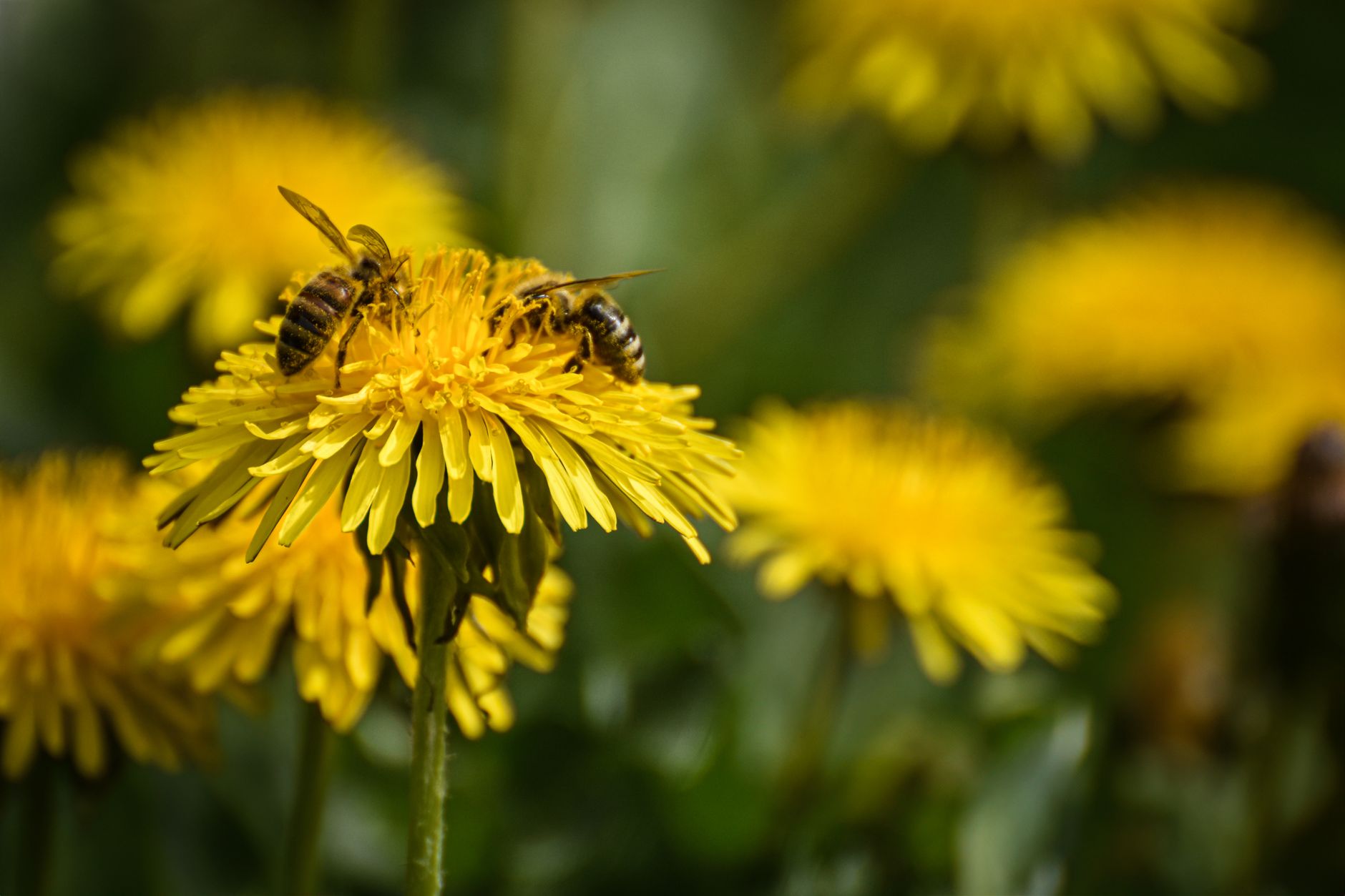
Plan for at least three flower types blooming in each season. Early spring favorites include crocus, willow, and dandelion. Late spring and early summer bring borage, comfrey, lavender, bee balm, and clover. Mid to late summer use coneflower, sunflower, black-eyed Susan, and mountain mint. Fall stars include goldenrod, aster, and sedum. Avoid double-flowered cultivars. They often hide nectar behind extra petals.
Plant in drifts instead of scattering single plants. A block of one flower type is easier for bees to find and work. This reduces travel between plants and keeps foragers on the same nectar source longer. A foraging honey bee can visit 50 to 100 flowers in one trip, so tighter plantings are more efficient.
Check with a local extension office for the exact native species in your county. They often have free plant lists and sometimes host native plant sales. University extension services can tell you which plants are invasive in your area and which need less water.
- Add nesting sites and a reliable water source
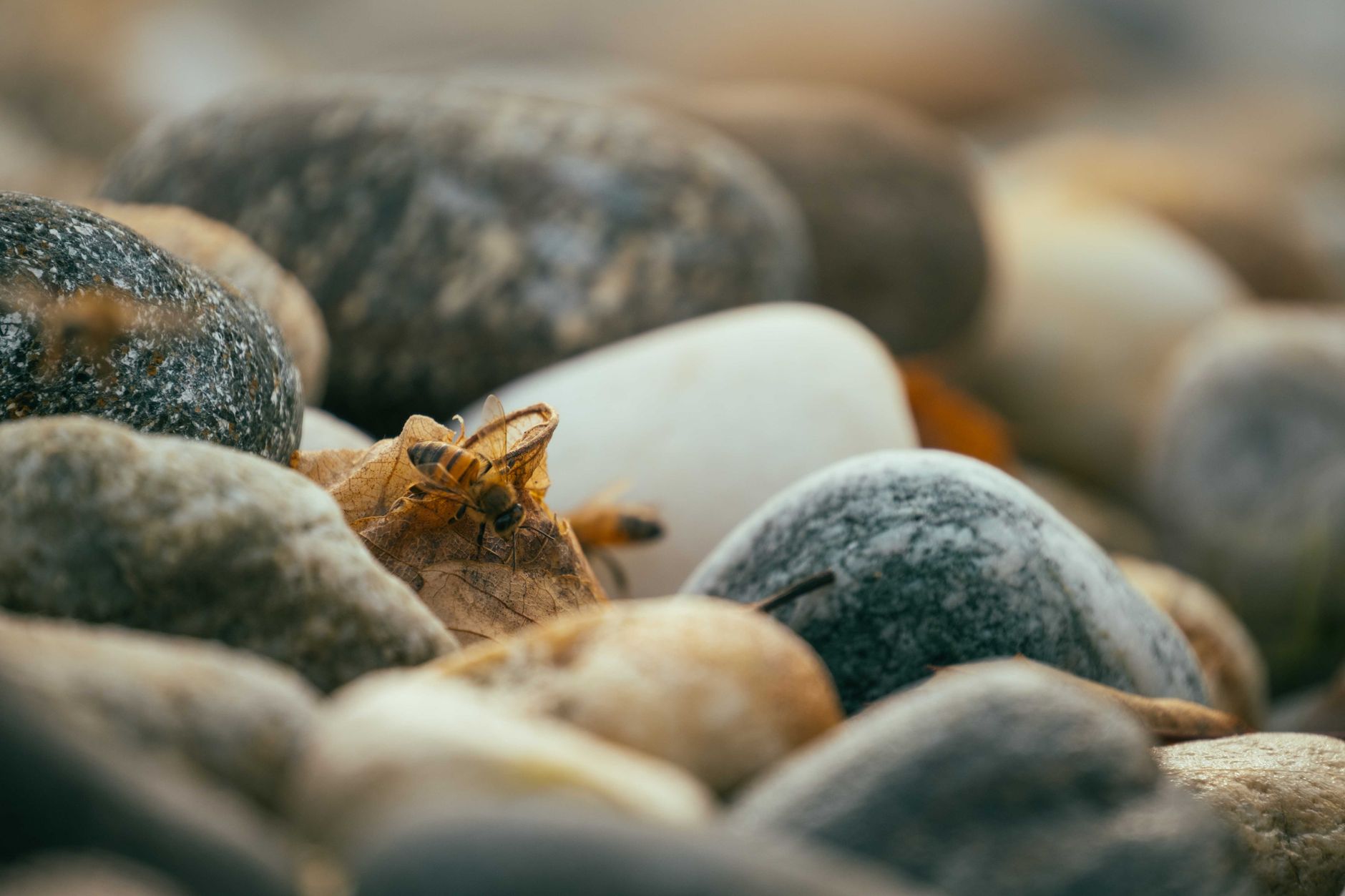
Honeybees live in hives, but most native bees are solitary. About 70 percent of native bee species nest in bare soil. Leave a few sunny patches un-mulched. Do not cover every inch of the garden with wood chips or landscape fabric. Ground nesting bees need direct access to soil.
Some native bees use hollow stems or beetle tunnels in dead wood. Leave a bundle of hollow plant stems tied to a fence. You can also drill holes of different diameters into untreated wood. Or you can buy a simple bee house. Check a bee house on Amazon if you want a ready-made option. Keep the house under an overhang so rain does not soak the tubes.
Water matters just as much as flowers. Bees need shallow water to drink and to cool the hive. Fill a shallow dish or birdbath with pebbles, marbles, or corks so bees can land without drowning. Change the water every two or three days. A deeper bucket is dangerous unless you add plenty of floating material.
Place the water source near the garden but not directly in the main flight path. Bees prefer water that is slightly warm and has a bit of mineral content. If you are new to keeping honeybees, this guide covers the basics of colony setup: complete beginner’s guide to starting your first honey bee hive.
- Plant at the right depth and spacing
Prepare the soil without deep tilling. Deep tilling can destroy ground nesting bee tunnels and disrupt the soil life that flowers rely on. Remove grass with cardboard or a shallow hand tool. Spread one to two inches of compost over the bed and let it settle for a week before planting.
Set plants at the same depth they were growing in the nursery pot. If you are direct sowing seeds, follow the packet instructions for depth. Most small flower seeds need light and should stay near the surface. Water the entire bed after planting, then water only when the top inch of soil is dry.
Space plants according to their mature width, not their size at purchase. Crowded plants compete for light and moisture. That stress invites powdery mildew and other diseases. Good air movement keeps leaves dry and reduces disease pressure. Put taller plants behind shorter ones so bees can spot the blooms from a distance.
If you start seeds indoors, harden off seedlings before transplanting. Set them outside for a few hours each day over one week. This prevents sunburn and wind shock. Slow starts recover better and bloom earlier than stressed transplants.
- Water and weed without chemicals
Never spray pesticides, even organic ones, on open flowers. Many common garden insecticides, including pyrethrins and spinosad, are highly toxic to bees. Systemic treatments such as neonicotinoids move into nectar and pollen for months. A single treated plant can sicken hundreds of bees.
Control weeds by hand or with a two to three inch layer of mulch. Mulch conserves water and blocks annual weeds. But leave some bare soil patches for ground nesting native bees. Do not use plastic sheeting or landscape fabric over the whole bed. It stops ground nesters from reaching soil.
If aphids, whiteflies, or mites appear on your plants, start with a strong jet of water. Spray the undersides of leaves in the morning. If you must use a product, choose insecticidal soap and apply it after dark when bees are not flying. Never spray buds or open blooms.
Remember that a pollinator garden does not replace colony health care. Varroa mites remain the top killer of honeybee colonies. An untreated colony can collapse in one to three years, even with plenty of flowers nearby. Review this varroa mite treatment guide to keep your hives strong while the garden blooms.
- Keep the bloom chain going all season
Deadhead spent flowers to push more blooms. Salvia, catmint, and coreopsis often rebloom after a trim. But leave some seedheads standing for birds and for plant self-seeding. This balances more flowers with a natural look.
Add late season bloomers like goldenrod, aster, sedum, and hyssop. These flowers feed queens and workers in late summer and early fall. Colonies need well-fed winter bees to survive until spring. Honeybees store nectar in fall, but they still need pollen for brood production.
Avoid heavy nitrogen fertilizer. High nitrogen pushes leafy growth at the expense of flowers. Use a thin layer of compost in spring instead. Compost feeds the soil slowly and supports the beneficial fungi that pollinator plants prefer.
Let plant stems stand through winter. Many native bees lay eggs inside hollow stems and dead plant material. Cut stems in late spring after daytime temperatures consistently stay above 50 degrees Fahrenheit. This gives overwintering bees a chance to emerge.
- Monitor bee activity and adjust your planting
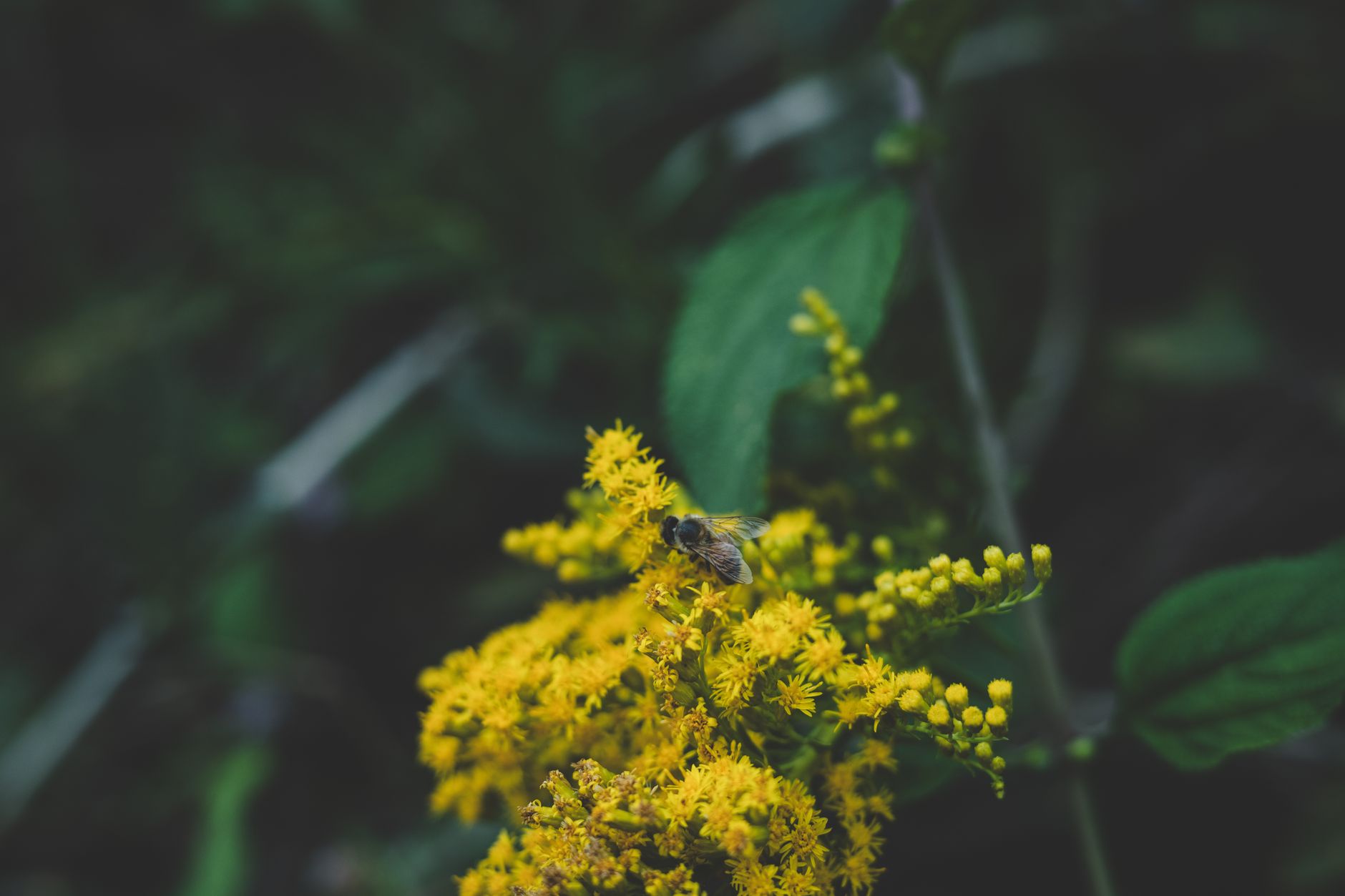
Watch the garden on sunny mornings when bee activity peaks. Spend ten minutes at different times of day. Note whether you see honeybees, bumble bees, sweat bees, and other native pollinators. Record which plants get the most visits.
Add more of the plants bees prefer. Remove plants that flop, spread aggressively, or fail to bloom in your soil. Sometimes a plant is fine but placed in too much shade. Move it to a sunnier spot before giving up on it. Small adjustments each season compound into a much better garden.
If you keep hives, compare colony strength and honey yield before and after the garden matures. A strong nectar flow can lift honey production, but winter stores and mite control matter more. This article explains typical yields and what influences them: how much honey does one hive produce.
The Honey Bee Health Coalition offers free best management practices for beekeepers. Their guides cover forage planning, nutrition, and varroa control. Use those tools alongside your garden observations to make better decisions for your bees.
Red Flags & Warnings
- 🚨 Never use systemic insecticides or neonicotinoid-treated plants. Those chemicals move into nectar and pollen and can poison bees for months.
- 🚨 Avoid invasive ornamentals such as English ivy, yellow flag iris, or butterfly bush in many regions. They escape gardens and crowd out native host plants.
- 🚨 Do not place bee houses or nesting blocks where pesticide drift can reach them. Even small residues can kill entire nesting tubes.
- 🚨 Shallow water can breed mosquitoes. Change it every two to three days or add a small water agitator.
- 🚨 Be careful when buying plants from big box stores. Many are treated with systemic insecticides. Ask the nursery for untreated plants or grow from seed.
Frequently Asked Questions
Which plants are best for honeybees and native bees?
Focus on native perennials that bloom in sequence. Good picks include lavender, borage, coneflower, sunflower, bee balm, goldenrod, and asters. Avoid double-flowered cultivars because they often hide nectar. Match plant species to your county or region for best results.
Do I need a large yard to plant a pollinator garden?
No. A sunny balcony, deck, or window box can support bees. Use containers with herbs like thyme, oregano, and lavender. Even a few pots of flowers give bees a valuable nectar stop.
How much sun does a pollinator garden need?
Aim for at least six hours of direct sun. Bees prefer warm, sunny flower patches where nectar flow is steady. A little afternoon shade is okay in hot climates, but too much shade usually means fewer blooms.
Should I buy plants or start from seed?
Both work. Seeds are cheaper and offer more native species choices. Nursery plants bloom sooner and help establish the garden quickly. Start seeds indoors or sow directly after the last spring frost, depending on the species.
Can a pollinator garden help my honeybee hives?
Yes. A steady flower supply can improve brood rearing and winter stores. The garden does not replace varroa mite control or good hive management. Still, better forage usually leads to stronger colonies.
How do I avoid harming bees while gardening?
Never apply pesticides to open blooms and never use systemic insecticides. Pull weeds by hand or use mulch. If you need a spray, use insecticidal soap after dark and keep it off flowers.
What Should You Remember?
- Sun and site. Choose a location with at least six hours of direct sun and some wind protection.
- Bloom sequence. Plant at least three flower types for spring, summer, and fall so bees always have food.
- Pesticide free. Never use systemic insecticides or sprays on open flowers. They poison nectar and pollen.
- Nesting and water. Leave bare soil, add hollow stems or a bee house, and provide shallow water with landing stones.
- Plant densely. Use drifts of single colors to make flowers easier for bees to find and work.
- Monitor and adjust. Watch which plants bees visit and add more of those each season.
This article is for general information only and is not veterinary or legal advice. Beekeeping is regulated in most regions and involves live animals with their own health needs , always follow local regulations and best practices, and consult a qualified apiarist, extension service, or veterinarian for bee-health or disease concerns.