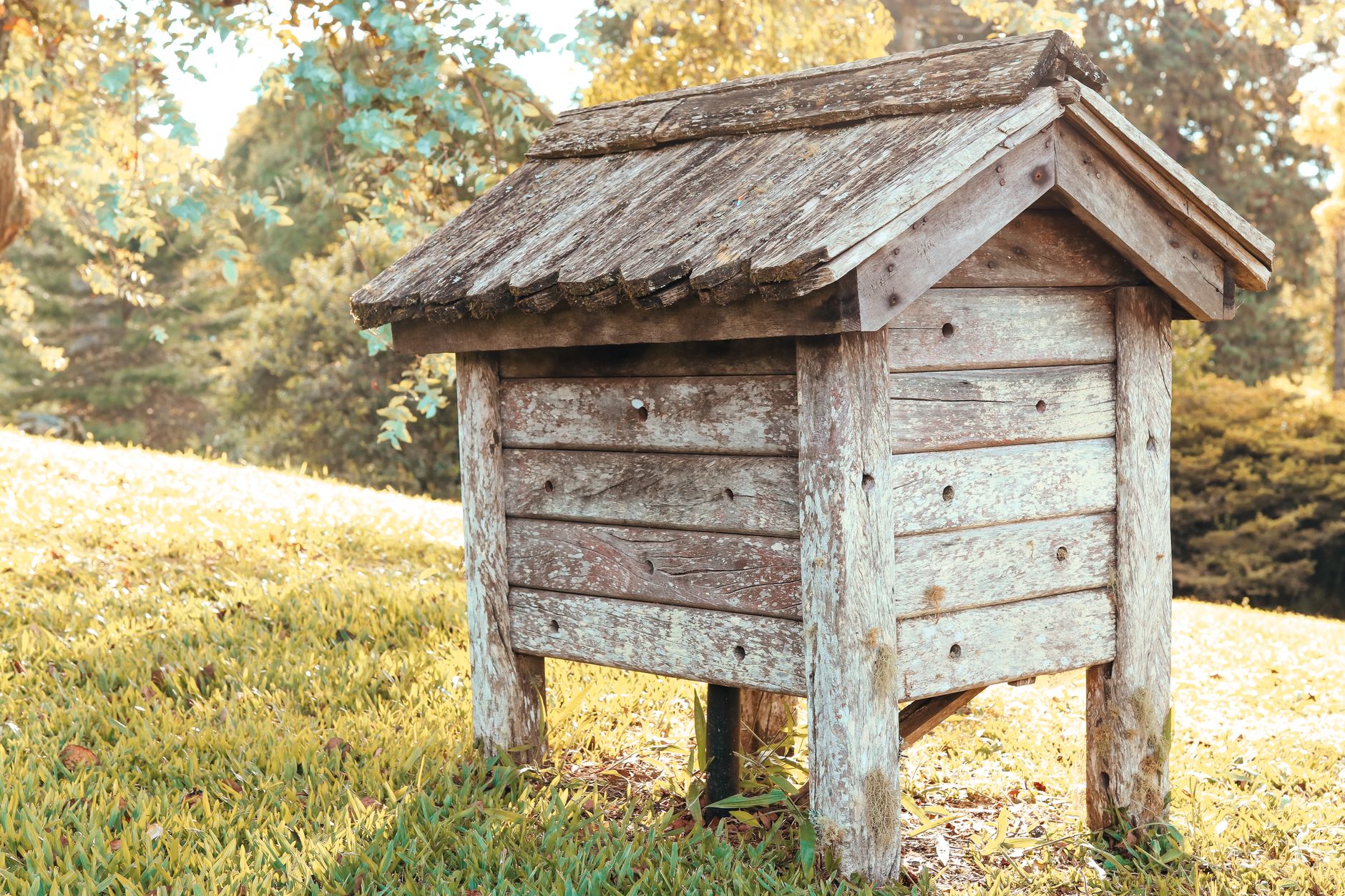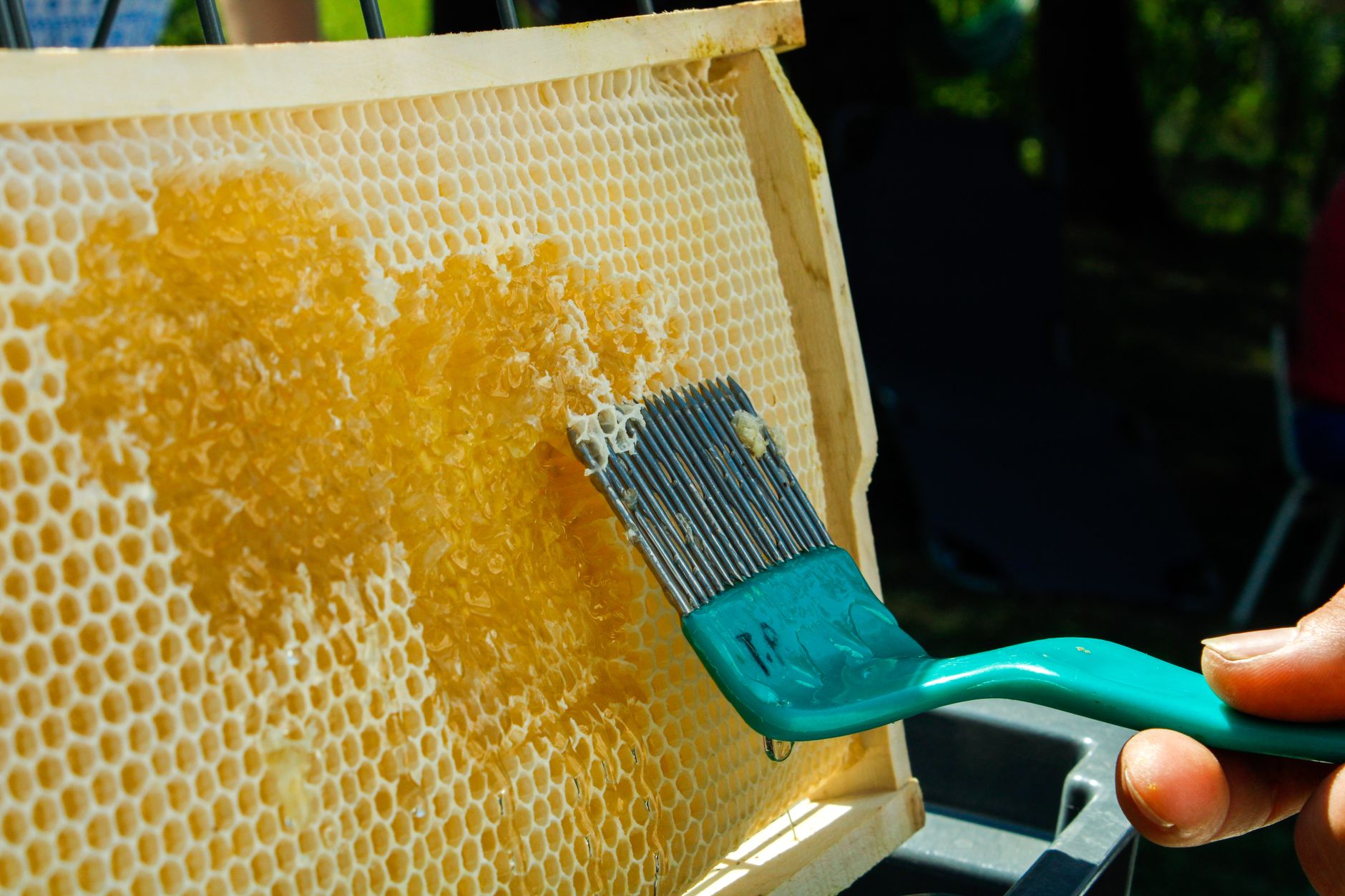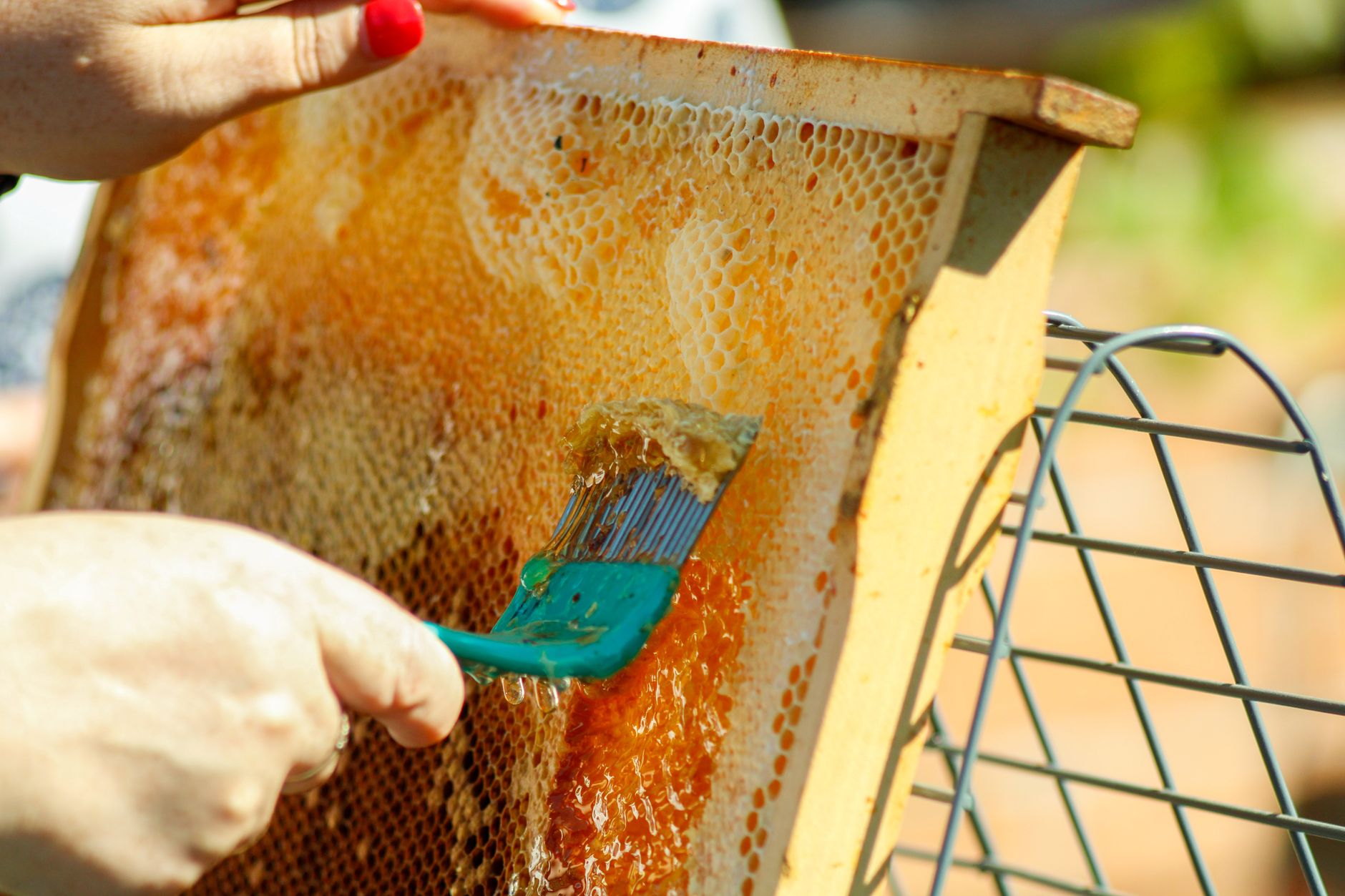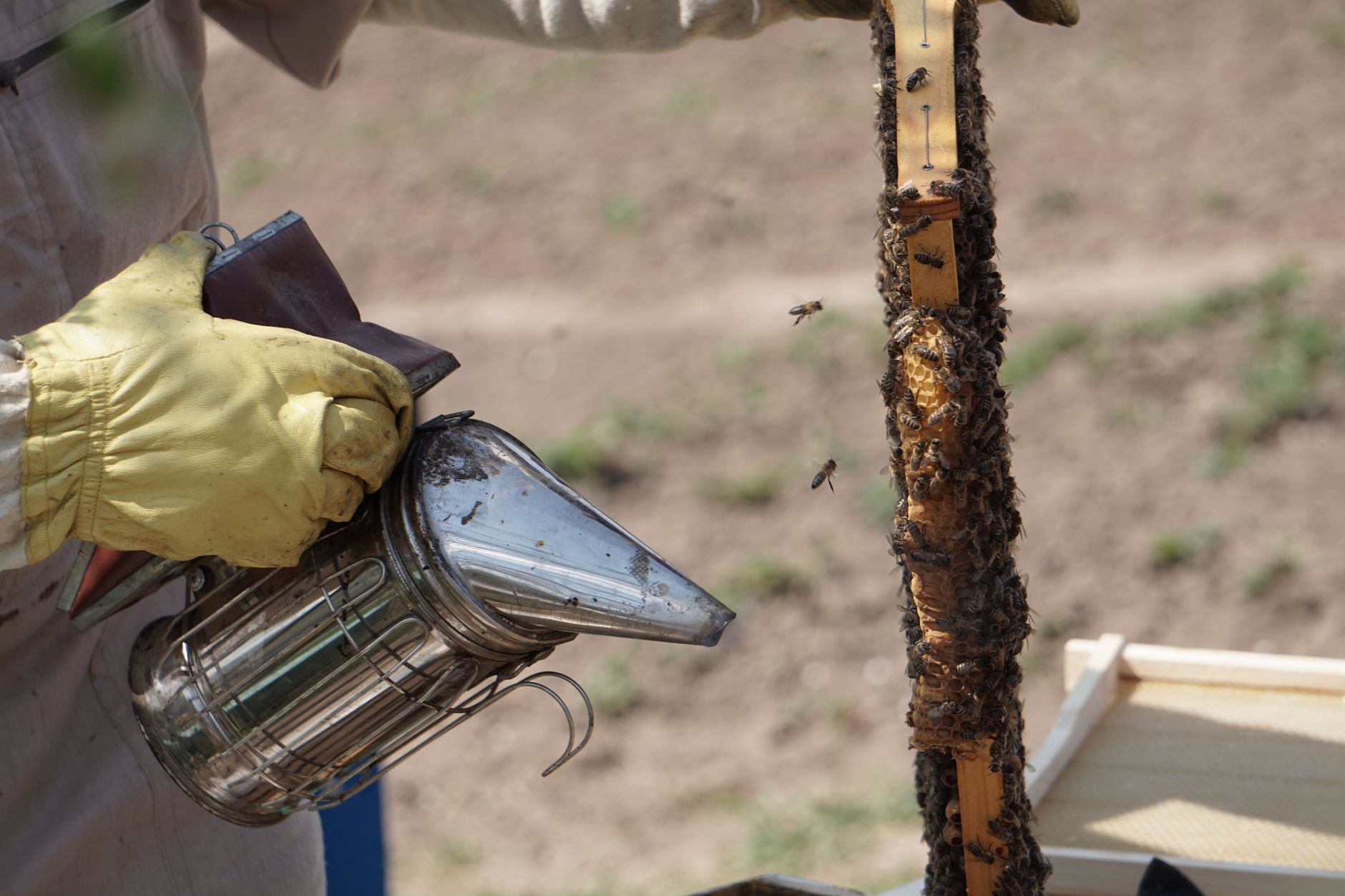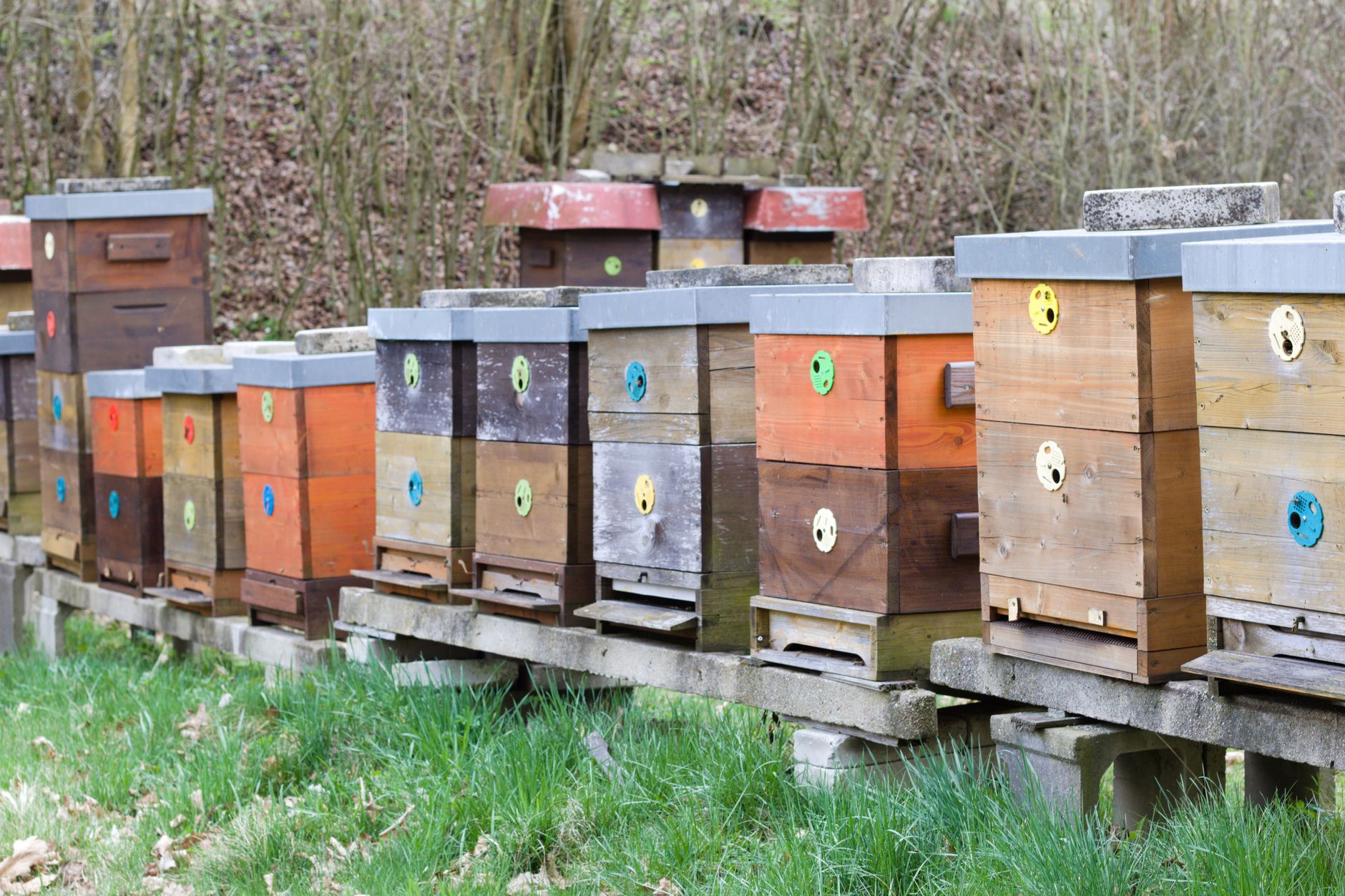
Anonymous farmer in protective helmet and gloves holding honeycomb with bees and honey while working in garden

Beekeeping Tools and Accessories 2026: The Complete Equipment Guide

⚡ Quick Answer: Every beekeeper needs 6 core tools: a J-hook hive tool ($8–15), a standard hive tool ($8–12), a quality smoker ($35–65), a frame grip ($12–20), a bee brush ($8–15), and a queen clip/cage ($5–10). Everything else — feeders, uncapping forks, extractors — add as your apiary grows. The J-hook hive tool is the one you’ll reach for every single inspection; buy a good one from the start. ...

April 25, 2026 · 16 min · Jarrod Gravison
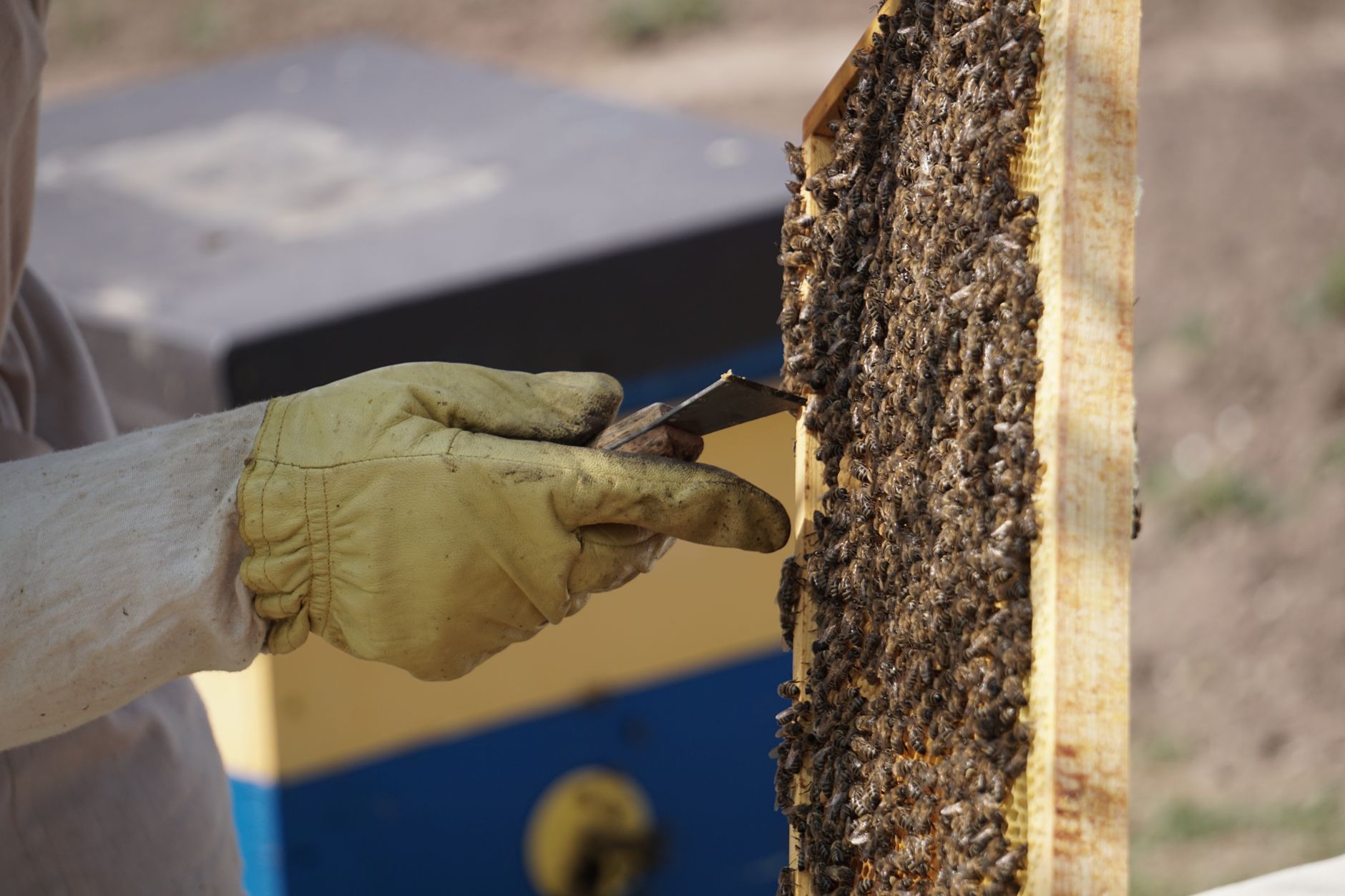
Close-up of hands cutting honeycomb from a frame. Rustic scene of fresh honey production.

Best Beekeeping Gloves 2026: Leather vs Nitrile vs Ventilated

Beekeeping gloves exist on a spectrum: maximum protection on one end, maximum dexterity on the other. Where you need to be on that spectrum depends on your experience level, your colony’s temperament, the time of season, and your comfort with bee stings. Most beginners start with full leather gloves and work toward thinner gloves as they become more comfortable and their colonies become more familiar. This is the right progression — not weakness. ...

April 25, 2026 · 4 min · Jarrod Gravison
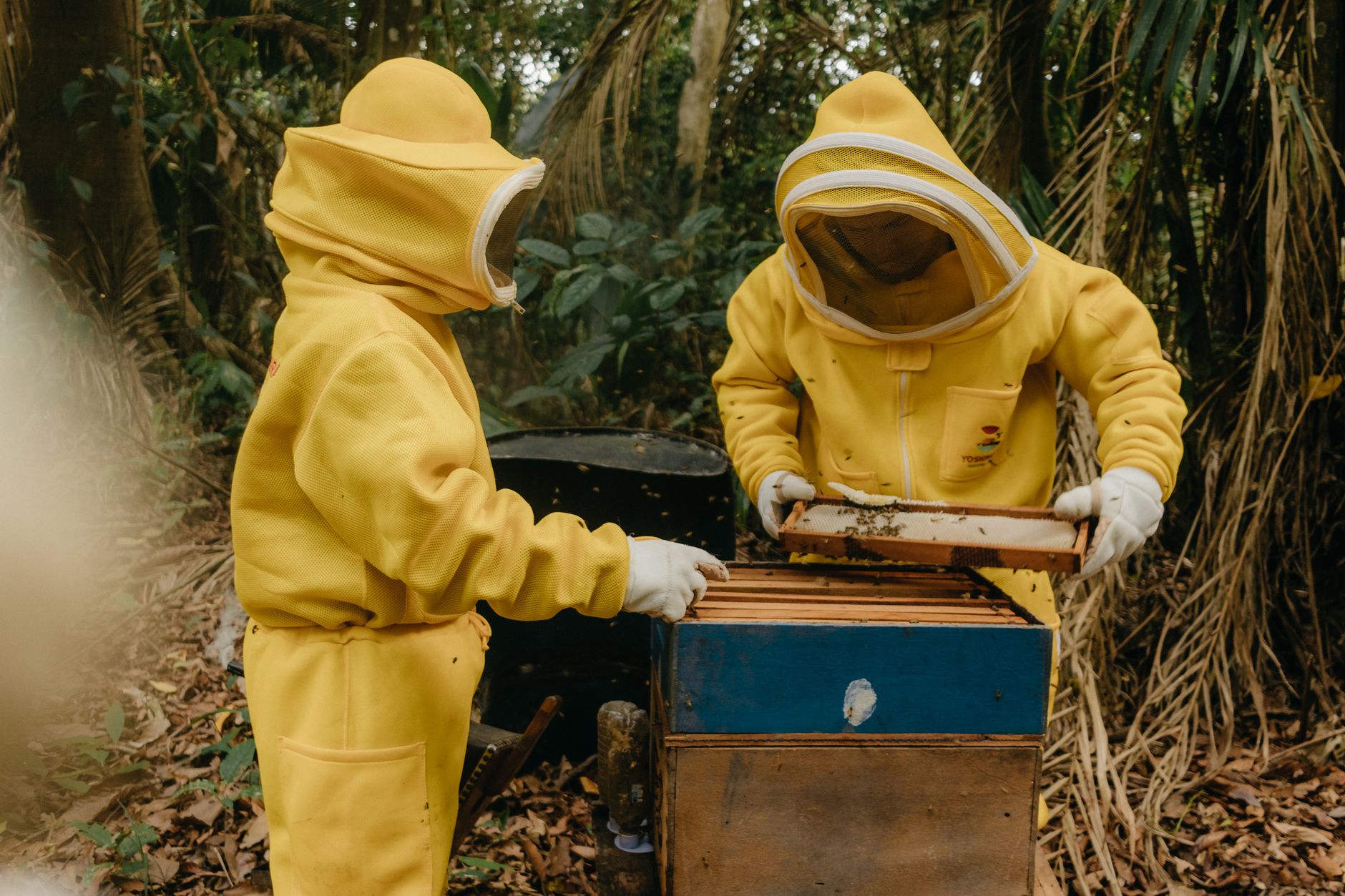
Detailed view of a wooden beehive with a honey-laden frame in a natural setting showcasing the art of beekeeping.

Best Beekeeping Suits 2026: Top Picks for Beginners and Experienced Beekeepers

Quick Answer: The best all-around beginner beekeeping suit is the Humble Bee 410 Polycotton — full body coverage, fencing veil, good sting protection at a fair price ($60–80). For hot climates, upgrade to a ventilated 3-layer suit like the Vivo Bee ($80–120). For premium quality, the Ultra Breeze ($140–200) is the suit serious beekeepers wish they’d bought first. Your beekeeping suit is the most personal piece of equipment you own — you wear it every time you open a hive, and a bad one makes beekeeping miserable. Too hot, too tight, or a veil with poor visibility can turn an enjoyable inspection into an anxious ordeal. This guide covers every category of protective gear with specific recommendations, so you can pick gear that works for your climate, budget, and experience level. ...

April 25, 2026 · 7 min · Jarrod Gravison
Aesthetic portrayal of honey jars with dippers and flowers on a white background.

Best Honey Extractors 2026: Manual and Electric Options for Every Scale

Quick Answer: Best for beginners (1–2 hives): Happybuy 2-Frame Manual ($90). Best mid-range (3–5 hives): VEVOR 4-Frame Electric ($200). Best for serious hobbyists (5–10 hives): Maxant 3100P 9-Frame Electric (~$500). Best professional: Lyson 12-Frame Radial Electric ($800+). For 1–2 hives, consider renting from your local beekeeping club first. Buy once you’re committed to 3+ hives. The moment your first honey super comes off the hive — frames dripping with capped, golden honey — is one of beekeeping’s great rewards. What comes next is extraction: getting that honey out of the comb and into jars. Your extractor choice determines how fast, how easy, and how much of that honey actually ends up where it belongs. ...

April 25, 2026 · 11 min · Jarrod Gravison
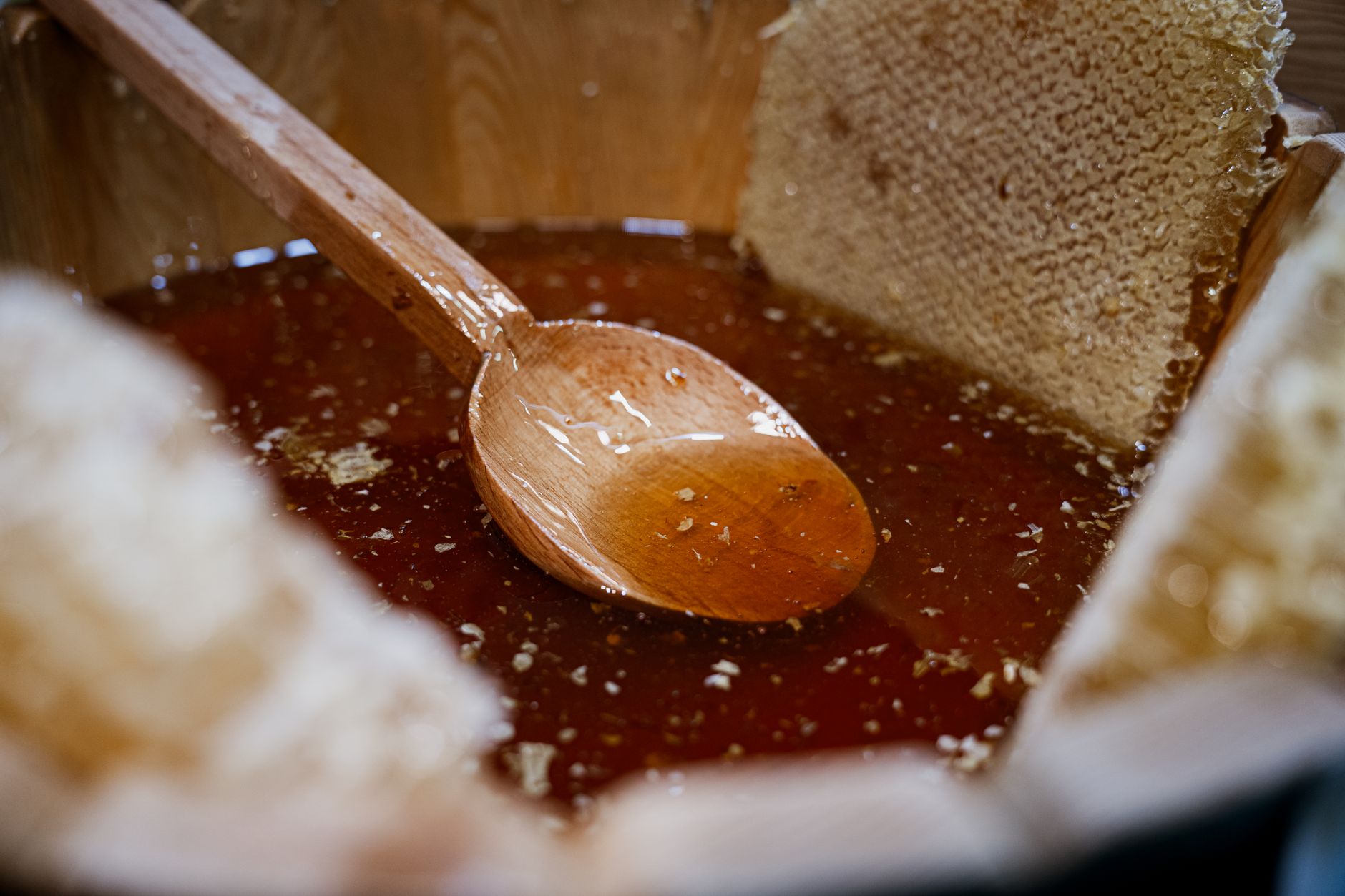
Close-up view of fresh honeycomb pieces in a jar, showcasing natural sweetness and texture.

Honey Extraction Equipment Guide: What You Need for 1–10 Hives

Honey extraction equipment is the major capital investment for a small-scale beekeeper. Unlike hive equipment (which you need from day one), extraction equipment can be deferred until you have honey to harvest. In year one, most beekeepers leave all honey for the colony’s winter stores and don’t extract at all — this is often the right choice for colony survival. Crush and Strain: The No-Equipment Option Before investing in extraction equipment, know the free alternative: ...

April 25, 2026 · 4 min · Jarrod Gravison